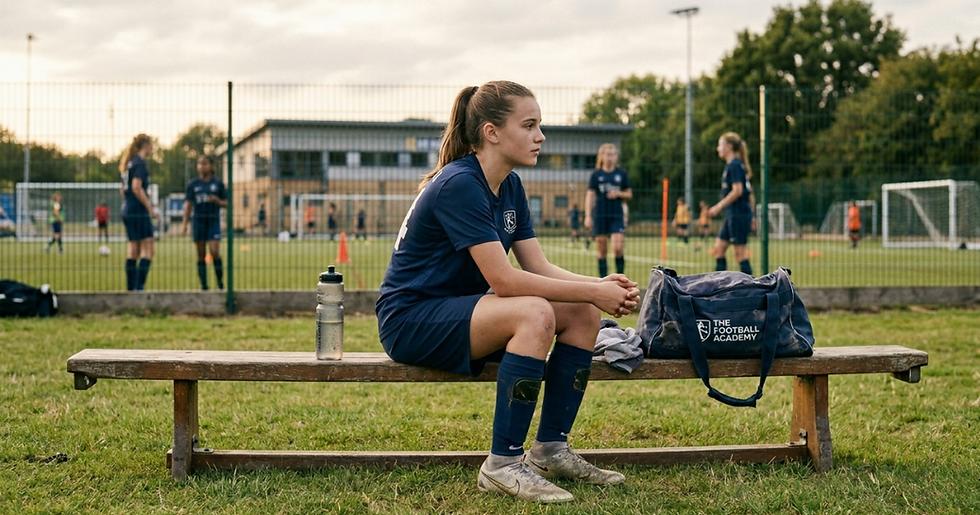


How to find a therapist for athletes is a question many parents and athletes ask when they realize that something more than physical training or extra practice may be needed.
Maybe your athlete has become unusually anxious before games. Maybe their confidence has taken a hit, they’re struggling to recover emotionally from an injury, or the sport they once loved has started to feel overwhelming.
Or perhaps you’re an athlete who looks like you’re doing just fine on the outside, but internally, you’re exhausted from trying to hold everything together.
Finding support is an important first step. But finding someone who understands both mental health and the unique demands of sports can make the experience feel more comfortable and relevant.
So, what should you actually look for?
Why Does It Matter to Find a Therapist Who Understands Athletes?
Athletes face many of the same emotional and mental health challenges as everyone else. Anxiety, depression, perfectionism, relationship difficulties, and struggles with self-worth aren’t exclusive to sports.
But the athletic environment can add another layer.
Athletes are often taught to push through discomfort, stay mentally tough, and keep going even when things feel difficult. Those qualities can be valuable in competition, but they can also make it harder to recognize when emotional support is needed.
For some athletes, the pressure comes from expectations. For others, it’s fear of failure, comparison, playing time, injury, or the feeling that their identity is tied to how well they perform.
A therapist who understands sports can recognize how these experiences intersect with an athlete’s emotional well-being.
The goal isn’t just to help someone become a better athlete. It’s to help them feel better as a person, too.
7 Things to Look for When Choosing a Therapist for Athletes
1. Experience Working With Athletes
Not every therapist needs to have been an athlete themselves, but experience working with athletes can be valuable.
A therapist who understands the culture of sports may better recognize the pressures surrounding competition, coaching relationships, team dynamics, and the emotional challenges of setbacks.
When researching a therapist, look beyond general statements about helping with anxiety or confidence.
Ask whether they’ve worked with athletes experiencing performance pressure, mental blocks, injuries, burnout, or transitions away from sports.
A good question to ask: “What experience do you have working with athletes who are struggling with both performance and mental health?”
2. An Understanding of Mental Health AND Mental Performance
This is one of the most important distinctions to understand.
Mental performance training typically focuses on developing skills such as confidence, concentration, visualization, and managing competitive pressure.
Mental health counseling addresses broader emotional and psychological concerns, including anxiety, depression, trauma, identity, relationships, and patterns that may be affecting an athlete’s well-being.
Sometimes these challenges overlap.
For example, an athlete struggling with confidence might benefit from learning practical strategies to manage negative self-talk. But if that self-doubt is rooted in perfectionism, a difficult experience with a coach, or a deeper fear of disappointing others, those concerns may also need attention.
A qualified therapist can explore what’s happening beneath the surface while helping the athlete develop practical coping strategies.
If you’re unsure which type of support is appropriate, read more about the difference between a sports psychologist, therapist, and mental performance consultant.
3. A Therapeutic Approach That Fits the Athlete
There isn’t one counseling approach that works for every athlete.
Some athletes respond well to structured exercises, goal setting, and practical strategies. Others benefit from exploring their emotions, relationships, past experiences, or patterns of thinking.
Approaches such as cognitive behavioral therapy (CBT), mindfulness, solution-focused therapy, and other evidence-informed methods may be helpful depending on the athlete’s needs.
For athletes struggling with difficult experiences or mental blocks, a therapist may also offer approaches such as Brainspotting, while explaining the evidence, limitations, and appropriateness of that treatment.
The important thing is finding someone who can individualize the process.
A good question to ask: “How would you approach working with an athlete who feels stuck or overwhelmed?”
4. Someone Your Athlete Feels Comfortable Talking To
You can find a therapist with excellent credentials and years of experience, but if your athlete doesn’t feel comfortable opening up, progress may be difficult.
This is especially important for younger athletes who may not have chosen counseling for themselves.
Some athletes are naturally talkative. Others are guarded, hesitant, or unsure what to say.
A good therapist recognizes that trust takes time.
For younger athletes, this may mean incorporating games, activities, or other developmentally appropriate ways of building connection. For older athletes, it might mean creating space to talk without feeling judged or pressured to have all the answers.
Parents, remember: Your athlete doesn’t have to immediately love therapy, but they should gradually feel respected, heard, and safe.
5. An Understanding of Confidentiality and Parent Involvement
For parents seeking therapy for a child or teenager, confidentiality is often a big question.
You want to know what’s happening and how to help, but your athlete also needs space to speak openly.
A therapist should explain confidentiality, its limits, and how parent involvement will work based on the athlete’s age and applicable laws.
At times, parents may be included in conversations about communication, support strategies, or treatment goals. Other times, the athlete may benefit from having private space to process their experiences.
The goal is to create a supportive partnership while protecting the therapeutic relationship.
A good question to ask: “How do you involve parents while still allowing my child to feel comfortable sharing?”
6. Appropriate Credentials and Professional Training
When searching online, you’ll likely encounter several different titles: sports therapist, mental performance coach, sports psychologist, counselor, or mental performance consultant.
These professionals may offer different services and have different qualifications.
If you’re seeking treatment for anxiety, depression, trauma, or other mental health concerns, look for a qualified mental health professional who is appropriately licensed or practicing under legally permitted supervision.
A Certified Mental Performance Consultant (CMPC) has specialized training in mental performance, but the credential alone does not authorize someone to provide psychotherapy.
You can also ask about professional supervision, specialized training, and whether a therapist’s experience aligns with your concerns.
Choosing the right professional depends on what kind of support you need.
7. Practical Considerations That Make Therapy Sustainable
Even when you’ve found a therapist who seems like a great fit, there are practical factors to consider.
Ask about session fees, insurance or self-pay options, scheduling availability, and whether appointments are offered in person or virtually.
For athletes balancing school, training, travel, and competition, consistency can be challenging.
You may also want to ask how frequently sessions are recommended and what happens during the initial consultation.
Therapy is an investment of time, energy, and resources, so finding a sustainable arrangement matters.
When Should an Athlete Consider Therapy?
Athletes don’t have to be experiencing a mental health crisis to benefit from counseling.
Sometimes the signs are subtle.
You might notice increased frustration after mistakes, anxiety before competition, changes in motivation, or an athlete who seems unusually hard on themselves.
Other times, the concerns are more significant, such as persistent sadness, withdrawal, overwhelming anxiety, or difficulty coping with an injury.
Therapy may be helpful when these challenges begin affecting an athlete’s enjoyment, relationships, emotional well-being, or everyday functioning.
For athletes who feel consumed by expectations, our performance anxiety and pressure services explore how counseling can help address both the emotional and performance-related aspects of those struggles.
Finding a Therapist for Athletes in Charleston, SC
At Carolina Counseling for Athletes, we understand that athletes are more than their sport.
Our practice was created to bring mental health counseling and mental performance support together, recognizing that how athletes feel and how they perform are often closely connected.
Our team brings different experiences and perspectives to this work.
Megan Cannon, founder and therapist, is a former Division I athlete, school counselor, coach, and sports mom. Her clinical approach emphasizes understanding the whole athlete, including the experiences and emotions that may be contributing to their current struggles.
Kate Cox, therapist and Certified Mental Performance Consultant, combines counseling and mental performance expertise. She also incorporates play-based techniques when appropriate to help younger athletes connect, communicate, and learn.
Together, we help athletes navigate performance anxiety, confidence challenges, injuries, identity concerns, trauma, and the emotional demands of competition.
You can meet our team to learn more about our backgrounds and approaches.
We provide in-person counseling in North Charleston, serving the greater Charleston area, as well as virtual therapy throughout South Carolina.
Frequently Asked Questions About Finding a Therapist for Athletes
Does my child need a sports therapist or a regular therapist?
The most important factor is finding a qualified therapist who can address your child’s needs. Someone with experience working with athletes may offer additional understanding of competitive pressures, team dynamics, and sports-related challenges.
Can therapy help with sports performance anxiety?
Yes. Therapy can help athletes understand and manage anxiety, develop coping strategies, and address thoughts or experiences that may be interfering with their performance and emotional well-being.
What if my athlete doesn’t want to go to therapy?
Start with curiosity rather than pressure. Ask what concerns them about counseling and explain that therapy isn’t a punishment or a sign that something is wrong with them. Giving athletes some choice in selecting a therapist can help them feel more involved.
The Right Fit Matters
Finding the right therapist for athletes isn’t simply about choosing someone who understands sports terminology or knows what it’s like to compete.
It’s about finding someone who sees the person underneath the uniform.
Someone who recognizes that confidence, anxiety, relationships, identity, and performance don’t exist in separate boxes.
And someone who can help athletes navigate challenges while developing a healthier relationship with themselves and their sport.
If you’re exploring counseling for yourself or your athlete, we’d love to learn more about what you’re looking for.
Schedule a free consultation with Carolina Counseling for Athletes to ask questions, learn about our approach, and see whether our team might be a good fit.