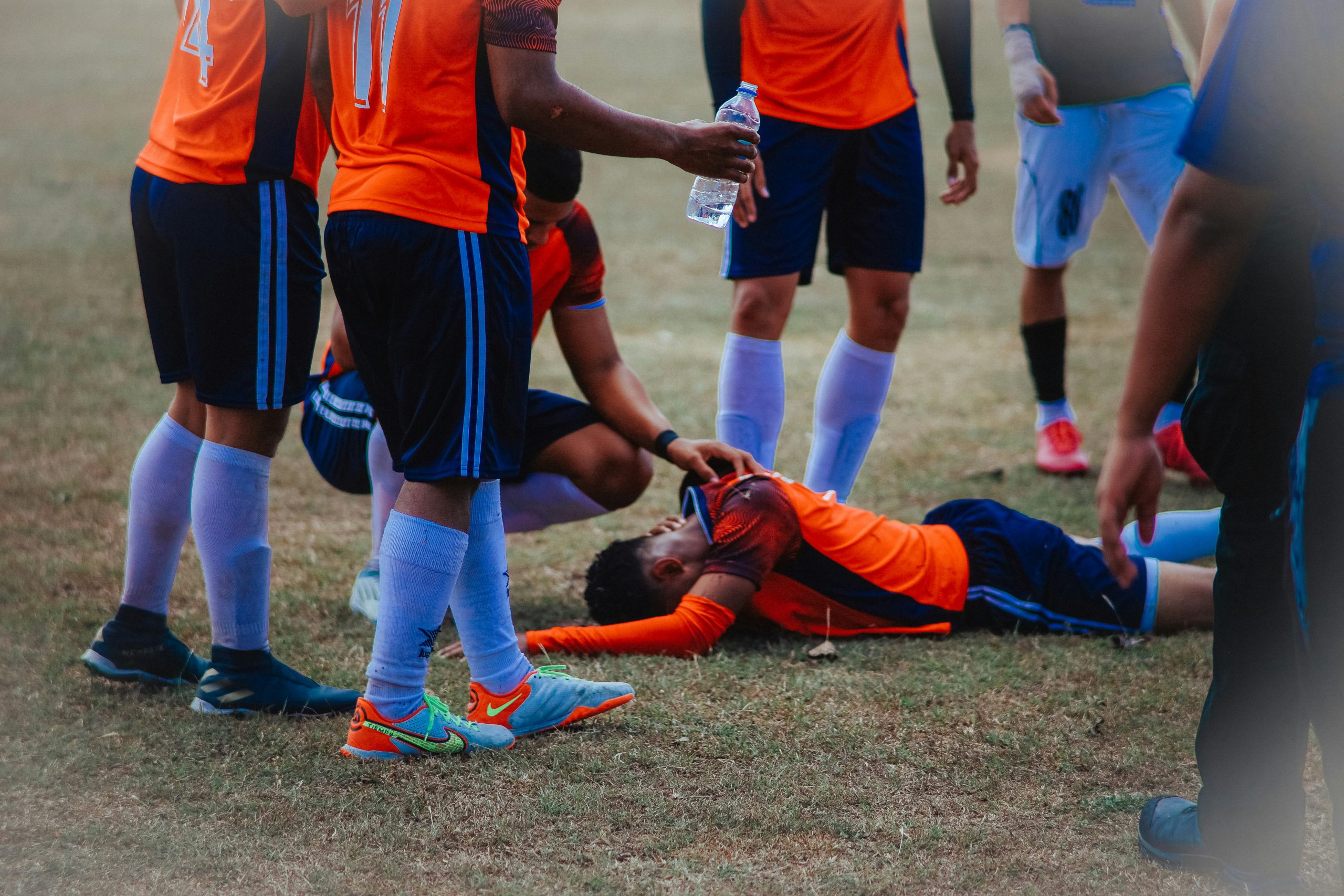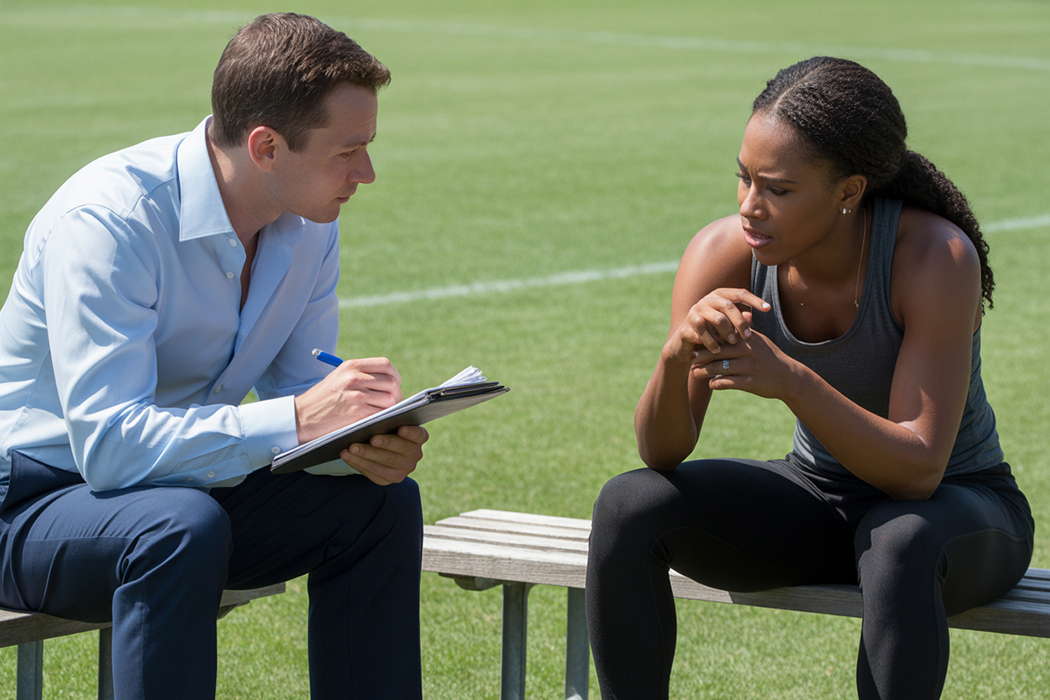

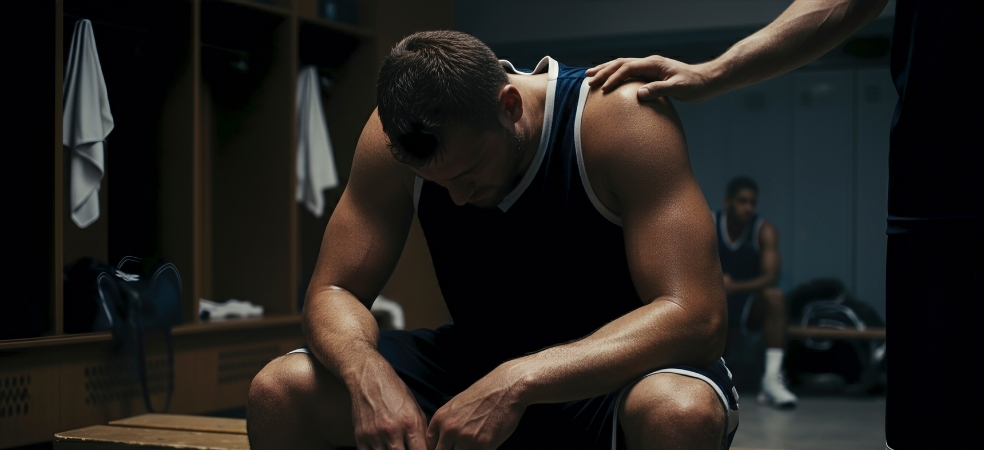
When an athlete experiences a major injury, the recovery process almost immediately becomes about the body.
You start asking around for the best doctors. Appointments get scheduled. Imaging gets done. A treatment plan is built. If needed, surgery is discussed. Physical recovery becomes the focus.
All of that makes sense. It’s necessary. Please do all these things!
But in the middle of all that structure and planning, something really important often gets overlooked—the mental and emotional impact of the injury.
And in so many cases, that’s the piece that ends up being the hardest part of recovery.
The Part No One Prepares Athletes For
Most athletes are conditioned to push through discomfort. They’re taught to be tough, resilient, and disciplined. Those traits serve them well—until something takes them out of the game completely.
A major injury doesn’t just interrupt a season. It disrupts rhythm, routine, identity, and connection with others. It is a huge life disruption.
Suddenly, an athlete who is used to daily practices, team environments, and clear goals is sitting on the sidelines. Their role changes overnight. Their body feels unfamiliar. Their future can feel uncertain.
And while everyone around them is focused on “when will they be back,” the athlete is often quietly wondering: “Will I be the player I once was” and “What if I get hurt again?”
“Will I ever feel like myself again?”
When Injury Feels Like Trauma
What many people don’t realize is that injuries—especially sudden or severe ones—can be experienced by the brain in ways that are very similar to trauma.
Athletes may replay the moment it happened. They may feel anxious watching others play. They may avoid situations that remind them of the injury. Some begin to feel on edge, irritable, or even down in ways they can’t fully explain.
This isn’t weakness. It’s a natural response from a nervous system that is trying to make sense of what happened.
And when that piece goes unaddressed, it can quietly follow the athlete long after the body has healed.
The Identity Piece That Hits So Hard
One of the most significant—and often underestimated—impacts of injury is the loss of identity.
For many athletes, sport isn’t just something they do. It’s who they are. It’s where they feel confident, connected, and known.
So when that’s taken away, even temporarily, there can be a deep sense of loss. A grief.
Athletes may begin to question their value, their role, and their place on the team. They may worry about being replaced or forgotten. They may feel disconnected from teammates who are still competing and moving forward.
It’s not just about missing games.
It’s about feeling like you’re no longer part of the world you belong to.
Why Physical Rehab Isn’t the Whole Picture
Physical rehabilitation is critical. There’s no question about that.
But healing the body and supporting the mind are not the same thing.
An athlete can be fully cleared physically and still feel hesitant, anxious, or mentally unprepared to return. Fear of re-injury alone can impact performance, confidence, and decision-making in powerful ways.
Mental health support creates space for athletes to process what they’ve been through, learn how to manage the anxiety that often comes with recovery, and rebuild trust in their body again.
It also helps them expand their identity—so their sense of self isn’t solely tied to performance.
When those pieces are addressed alongside physical rehab, recovery becomes more complete.
A More Proactive Approach to Injury Recovery
If I think about this not just as a therapist, but as a parent, my perspective becomes even clearer.
If my son experienced a major sports injury, I wouldn’t wait for mental health struggles to show up before seeking support. I would build it into the recovery plan from the very beginning.
Right alongside the doctor visits and physical therapy, I would want him connected to someone who understands the mental side of sport and injury. Someone who can help him make sense of what he’s feeling, stay grounded through the ups and downs, and prepare mentally for returning to play.
Because by the time confidence is lost or anxiety feels overwhelming, recovery becomes that much harder.
Being proactive changes that trajectory.
Supporting the Comeback—Not Just the Recovery
There’s a phase of injury that doesn’t get talked about enough, and that’s the return to play.
From the outside, this is often seen as the finish line. The athlete is cleared. They’re back.
But internally, this phase can be one of the most challenging.
This is where doubt can creep in. Where hesitation shows up. Where the fear of “what if it happens again?” becomes real.
Without the right support, athletes may hold back, overthink, or struggle to regain the level of confidence they once had.
With the right support, though, this phase becomes an opportunity—not just to return, but to grow.
To come back with greater awareness, stronger mental skills, and a deeper sense of confidence that isn’t solely dependent on performance.
What Parents and Coaches Need to Know
If you’re supporting an injured athlete, it’s important to recognize that what you’re seeing physically is only part of the picture.
An athlete who seems withdrawn, frustrated, or unmotivated may not be “losing their edge”—they may be navigating something they don’t yet have the tools to express.
Creating space for conversations, normalizing what they’re feeling, and connecting them with the right kind of support can make a significant difference in how they move through recovery.
Because at the end of the day, this isn’t just about getting them back on the field.
It’s about helping them come back whole.
Final Thoughts
Injury recovery will always require physical work.
But if we truly want to support athletes—long-term, holistically, and in a way that sets them up for success beyond sport—we have to widen the lens.
We have to start treating mental health support as a standard part of recovery, not an afterthought.
Because the strongest comebacks don’t just happen in the body.
They happen when the mind is supported, too.