

When the Game Is On the Line
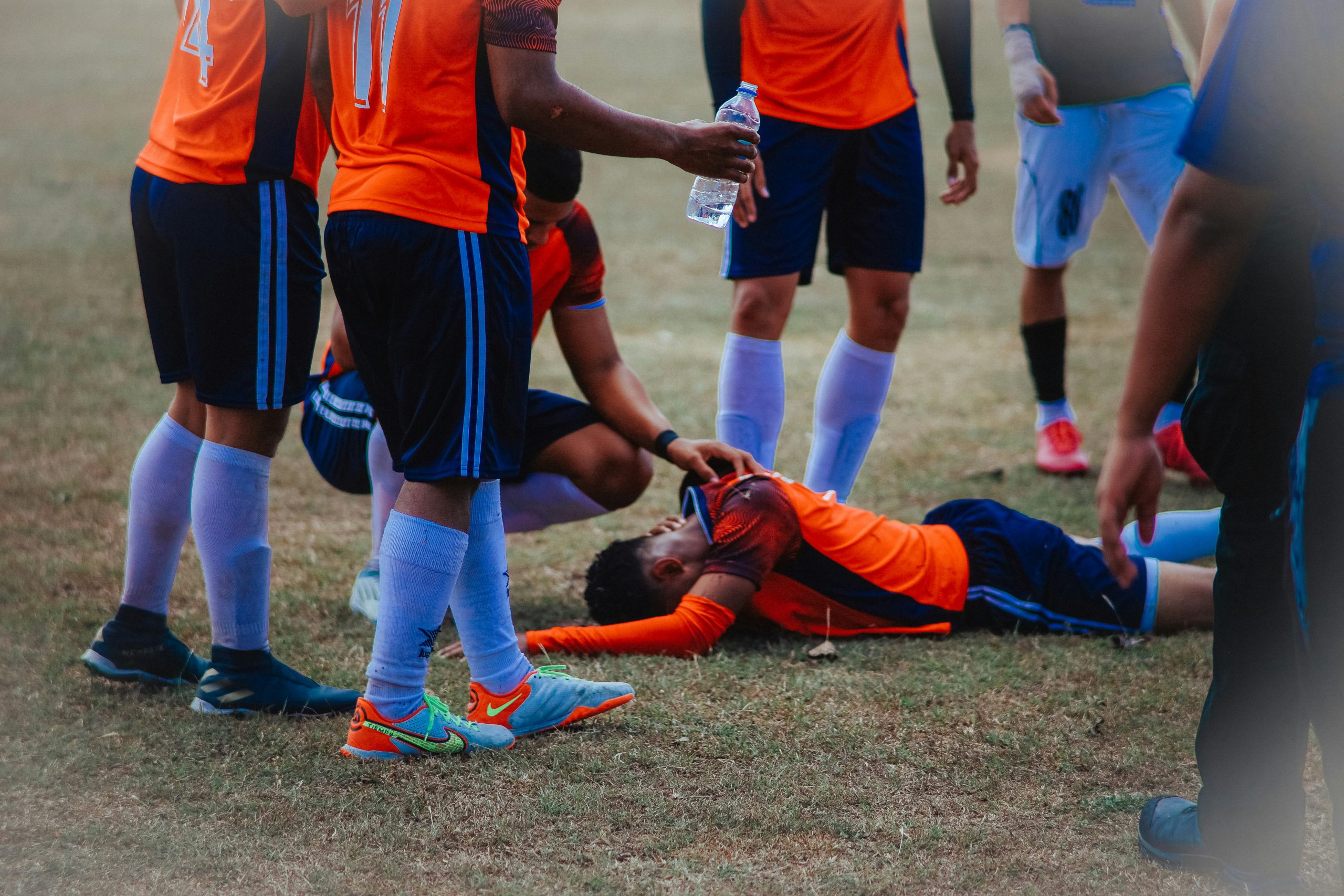
Buzzer-beater, game-winner, clutch shot, match-winning moment, and walk-off home run. Each of these phrases attempts to describe the intensely high-pressure moment when the game is on the line. The final shot as the clock winds down, a 50+ yard field goal with one second remaining, the last penalty kick in a soccer match, match point in tennis, or the final putt to seal victory. Only a few seconds remain to determine the outcome, and only certain athletes can sway the odds in their favor. Those with this skill are considered clutch; those without it are more prone to choke.
Understanding Clutch vs. Choke Performances
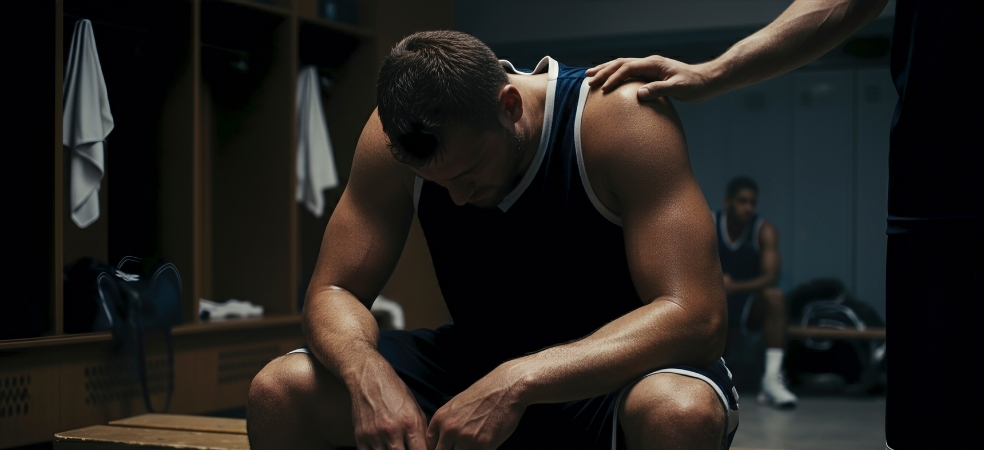
Pressure is anything that increases the importance of one’s performance. How athletes react to and cope with that pressure determines whether they deliver a clutch performance, where performance improves under pressure, or a choking performance, where performance declines. Clutch and choke sit on opposite ends of a performance spectrum, with average performance lying in the middle. Both are influenced by situational factors such as stakes, environment, and noise, and individual factors such as personality, coping skills, and mindset.
How Pressure Changes the Way You Perform
There are several theories explaining why athletes experience these outcomes, most of which center around distraction and difficulty focusing on task-relevant cues. The explicit monitoring hypothesis, developed by Roy Baumeister in the 1980s, suggests that during high-pressure moments, self-consciousness increases, causing athletes to focus on skills that are normally automatic. The phrase “paralysis by analysis” is supported by research. When athletes focus on internal mechanics that are typically automatic, conscious control disrupts smooth execution and leads to performance issues.
In contrast, distraction theory, proposed by Beilock in 2004, suggests that performance declines occur when athletes focus too heavily on task-irrelevant cues such as anxiety, fear of failure, or crowd noise. These distractions reduce available working memory and negatively impact performance, especially in tasks requiring precision and attention. Ultimately, both theories highlight the importance of focus. Attention directed toward the wrong cues can significantly impair performance. Under pressure, athletes may lose rhythm, fall out of a flow state, decrease in confidence, and begin to snowball mistakes.
What Sets Clutch Performances Apart
So how do athletes land on the clutch end of the spectrum? First, they interpret their nerves and anxiety as facilitative rather than debilitative. Research shows that encouraging performers to view anxiety as helpful and the situation as a challenge enhances performance under pressure (Hanton et al., 2008).
Research also suggests that anxiety and excitement are physiologically similar. Both involve high arousal, activation of the sympathetic nervous system, and the release of adrenaline and cortisol. Dr. Alison Wood Brooks of Harvard Business School studied pre-performance anxiety in 300 participants. Participants were instructed to either calm down or get excited before anxiety-inducing tasks such as public speaking. Those told to “get excited” were rated as more persuasive, confident, and competent. Reframing anxiety as excitement led to improved performance (Weiland, 2018).
Second, clutch athletes direct their attention outward toward an external focus. External cues, such as the basketball rim, golf hole, or goalposts, help reduce overthinking and internal interference.
Finally, clutch athletes trust their training. They rely on preparation rather than trying to control every movement in the moment.
Mental Skills Behind Clutch Performance
What does it look like to train a clutch mindset? Here are several mental tools that support high-level performance:
Present Focus
- Keep attention on the current moment, not a past mistake or future outcome, but the cues directly in front of you.
Attention Control
- Minimize distractions and task-irrelevant cues. External distractions may include crowd noise, opponents, officiating, or field conditions. Internal distractions include overthinking, rumination, fatigue, and concern about others’ perceptions
Physiological Regulation
- Manage your body’s response to pressure by regulating your nervous system. Slow, controlled breathing, especially with longer exhales, can help shift the body out of a heightened stress response. Releasing physical tension, such as shaking out muscles, can also improve movement and control.
Visualization
- Mentally rehearse both successful performance and potential obstacles. Techniques like mental contrasting allow athletes to visualize success while preparing for challenges, improving readiness, and adaptability.
Why Clutch Performance Is Trainable
Clutch performance is not random. Coaches often rely on athletes who have demonstrated consistency, confidence, and adaptability under pressure. These qualities can be developed.
Athletes can improve by strengthening:
- attentional control
- emotional regulation
- confidence under pressure
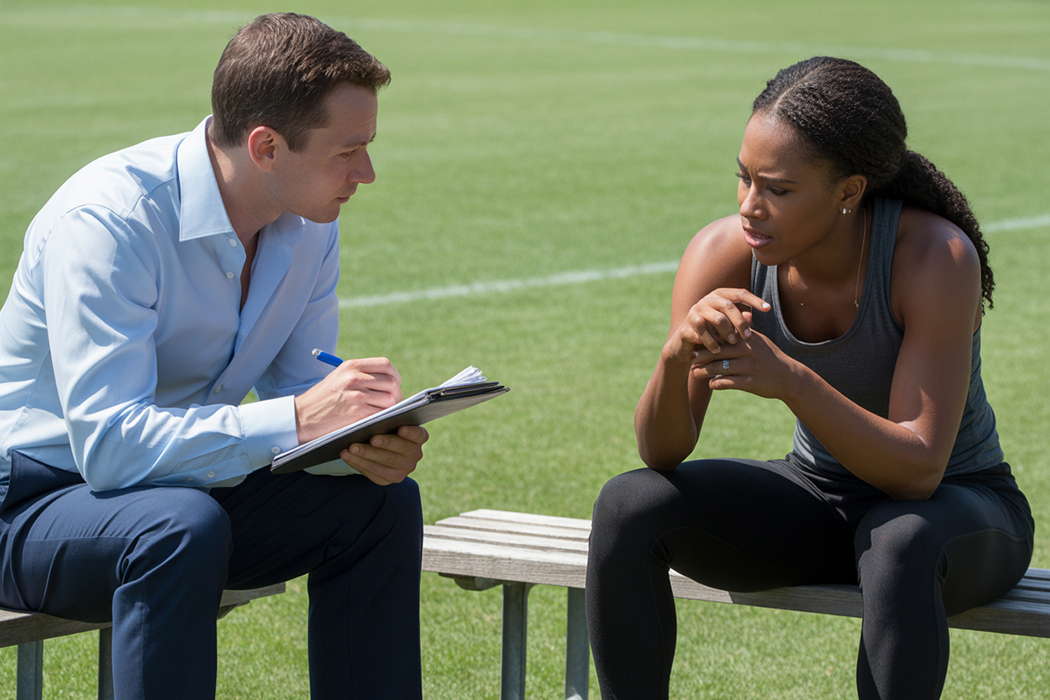
Clutch is not a personality; it is a skill. And it is something you can train. If you want to feel more in control when it counts, that is something we can work on.