
You waited months for this.
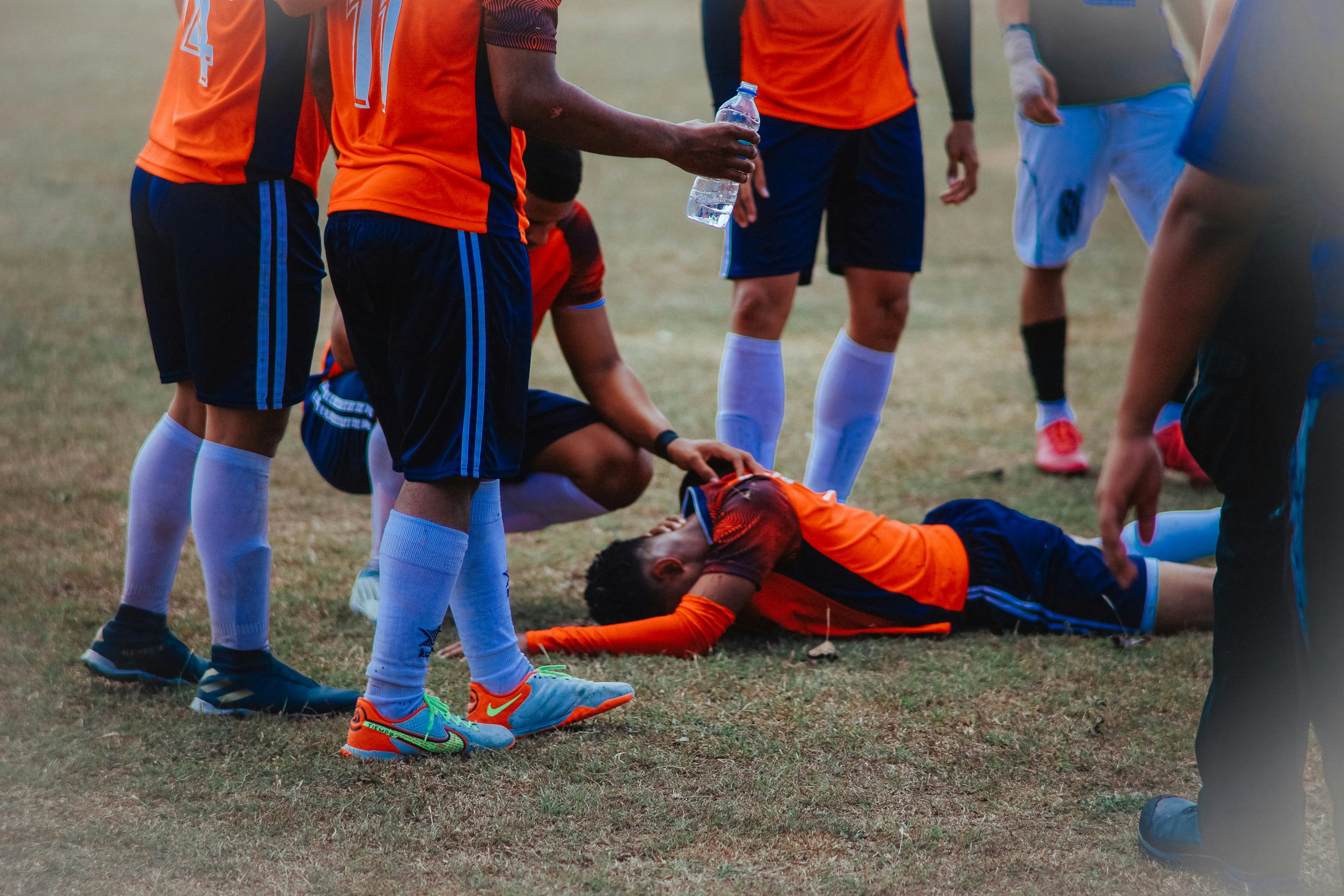
Rehab. Appointments. Exercises. Watching your teammates compete while you stood on the sidelines.
Finally, you’ve been cleared.
Everyone expects you to be excited.
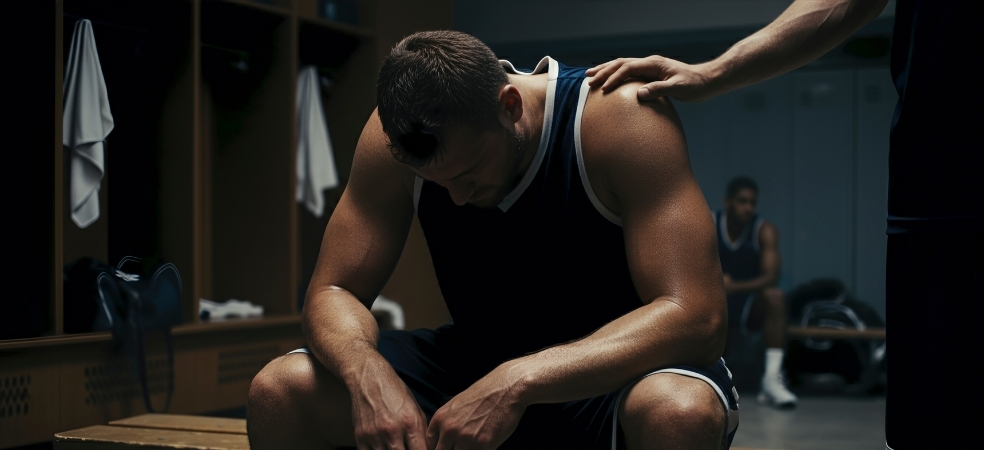
But instead, you’re scared.
What if it happens again?
That fear can be incredibly frustrating—especially when you’ve technically been told that your body is ready.
But physical clearance and mental readiness aren’t always the same thing.
Why Am I Still Afraid If My Injury Has Healed?
Your body and your brain remembers what happened.
An injury can occur in seconds, but the experience surrounding it can stick around much longer.
You may remember the sound, pain, movement or exact place where it happened.
So when you return to a similar movement or environment, your brain may respond with:
Danger. We’ve been here before.
That response doesn’t automatically mean you’re weak or incapable of returning.
Your nervous system may simply need time and experiences that help rebuild a sense of safety.
Fear of Re-Injury Can Change How You Perform
Fear can make athletes hesitate.
You might avoid certain movements, play more cautiously or constantly scan your body for signs that something isn’t right.
Then you notice yourself hesitating and think:
“I’m not the athlete I used to be.”
Now confidence takes another hit.
This can become a difficult cycle.
Start With Small Experiences of Trust
You don’t rebuild trust in your body by demanding that fear disappear.
You rebuild it through experience.
Your rehabilitation and medical team can help determine the appropriate physical progression.
Mentally, notice small moments when your body does what you’re asking it to do.
The cut that felt okay.
The landing you trusted.
The practice you finished.
The movement you stopped thinking about.
Those experiences matter.
Your First Competition Back Doesn’t Have to Prove Anything
Athletes often put enormous pressure on the first game or competition after injury.
“I need to prove I’m back.”
What if the goal wasn’t proving anything?
What if the goal was simply gathering another successful experience?
Returning to sport is a process, not a single moment.
Give Yourself Permission to Have Mixed Emotions
You can be grateful to return and afraid.
Excited and hesitant.
Confident one day and frustrated the next.
Recovery doesn’t have to be emotionally linear.
When Your Body Has Healed, But the Fear Is Still There: How Brainspotting Can Help
Sometimes fear after an injury goes deeper than worrying about getting hurt again.
Maybe you can still picture the exact moment it happened. Maybe your body tenses up when you attempt a certain movement. Or maybe you can’t explain why you’re hesitating, even though you know you’re physically ready.
That’s where Brainspotting may help.
Brainspotting is a therapeutic approach that uses eye position and focused awareness to help people process difficult or overwhelming experiences, including those connected to sports injuries.
Rather than only talking through what happened or trying to think your way out of fear, Brainspotting creates space to notice and process the emotions, memories, and physical sensations connected to the injury.
For athletes, this work might involve:
Processing the moment of injury and the emotions surrounding it.
Exploring the fear that comes up during certain movements or situations.
Recognizing how the injury has affected confidence, identity, and trust in their body.
Working toward feeling more regulated when thinking about or preparing to return to competition.
The goal isn’t to erase the memory of the injury or convince yourself that getting hurt again is impossible.
It’s to help you develop a different relationship with what happened, so the experience doesn’t have to carry the same emotional weight every time you step back onto the field or court.
Brainspotting is one tool we use at Carolina Counseling for Athletes to support athletes through the mental and emotional side of injury recovery. Brainspotting can may be a helpful part of an individualized therapeutic approach alongside medical rehabilitation and gradual return-to-play experiences.
When Additional Mental Health Support Can Help
Sometimes the injury carries more emotional weight than an athlete expected.
Fear may remain intense. Memories of the injury may feel difficult to shake. Confidence may plummet. Or the athlete may feel disconnected from the sport or identity they once knew.
And sometimes, no amount of positive self-talk or mental preparation seems to change how you feel.
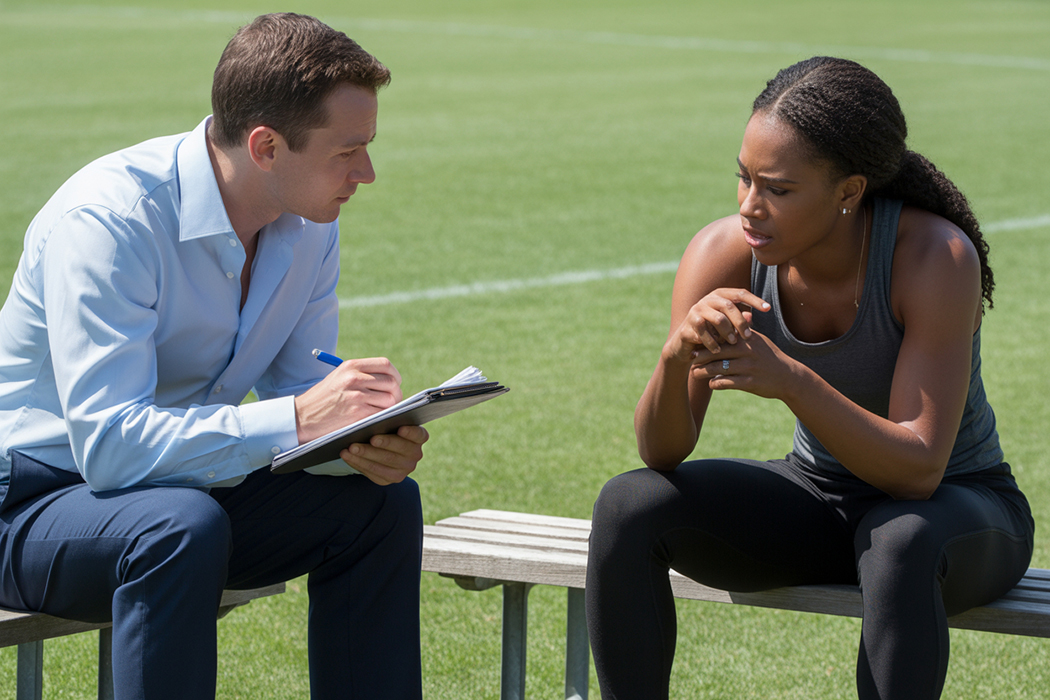
Working with a therapist who understands athletes can help you explore what’s underneath that fear, process the experience of injury, and develop tools to support your return to sport.
Your mental recovery is part of your recovery.
Carolina Counseling for Athletes Can Help
Carolina Counseling for Athletes works with athletes navigating the emotional and mental side of injury and return to sport.
If your body has been cleared but your mind doesn’t feel ready yet, you don’t have to push through it alone. Contact us for a free consultation