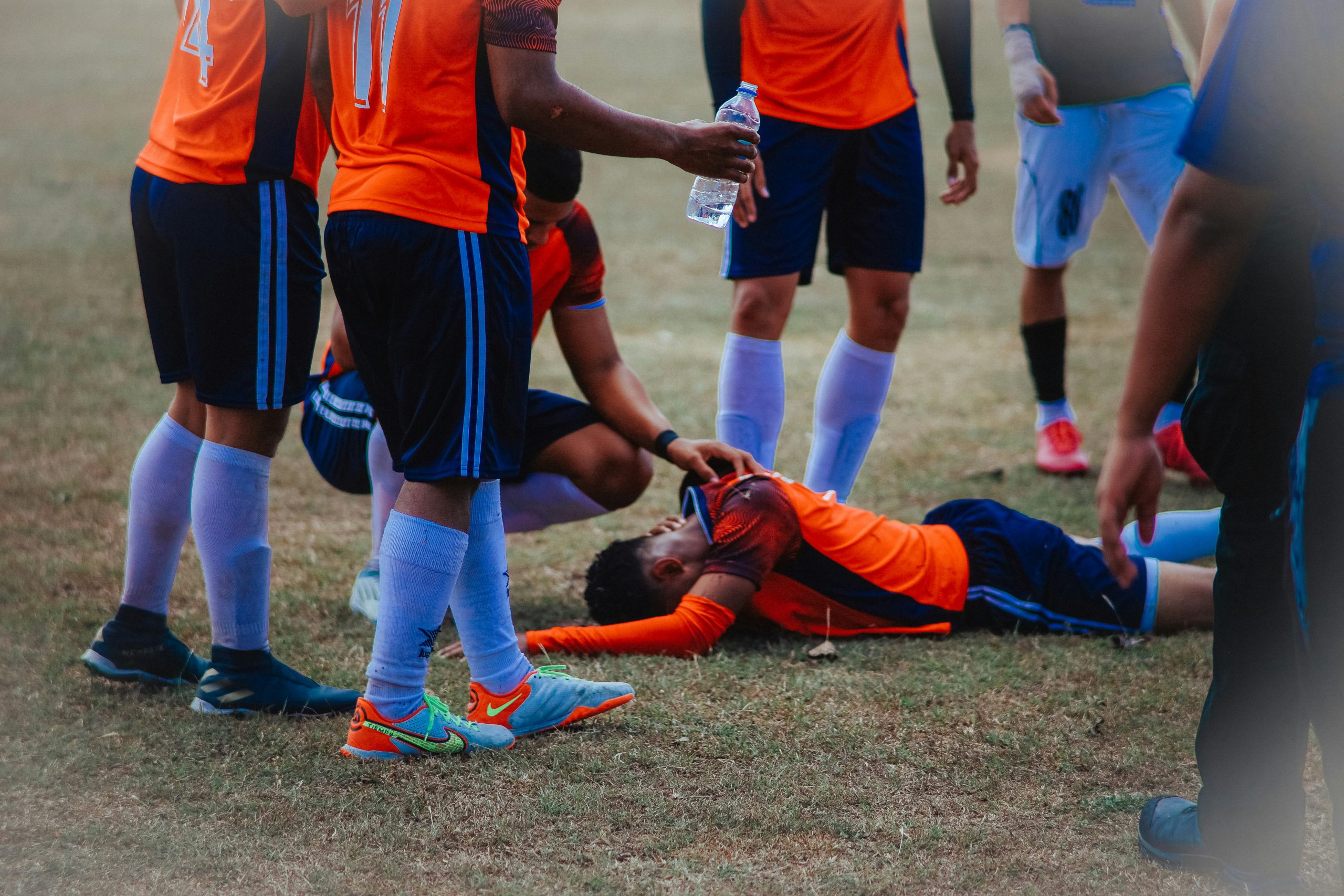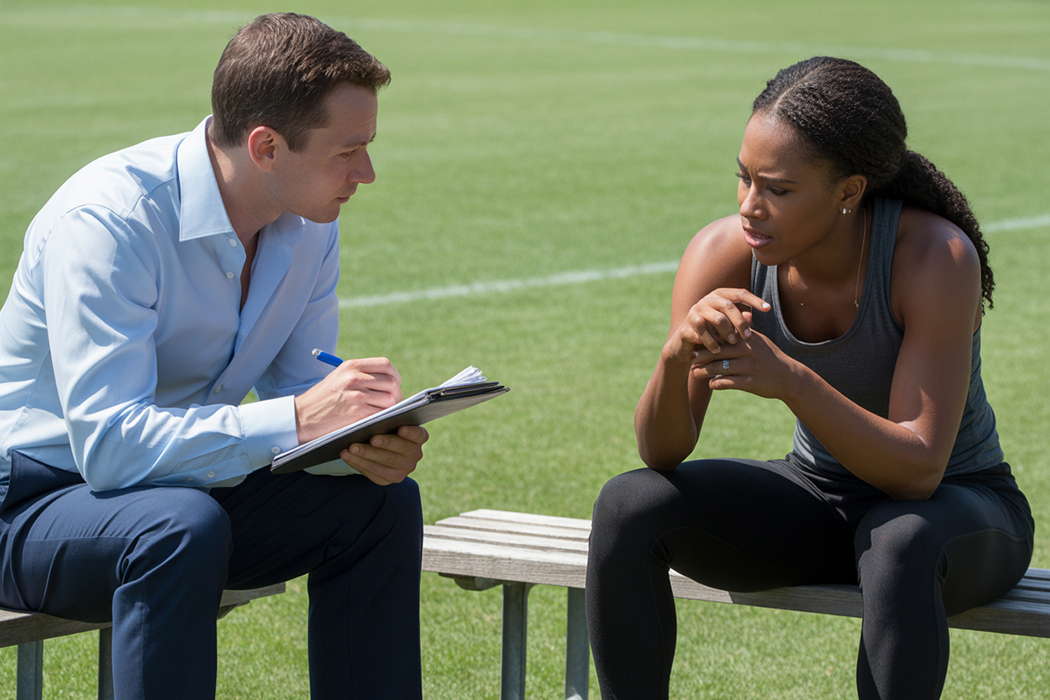


Athletes are often taught to push through discomfort, stay focused, and keep going when things get hard. Those qualities can help athletes succeed in sports, but they can also make it difficult to recognize when they need support.
At Carolina Counseling for Athletes, we see this often. An athlete may be struggling with anxiety, confidence, a mental block, injury, burnout, or pressure, but still wonder, “Is this really bad enough to talk to someone about?”
Sometimes the biggest barrier isn’t that an athlete doesn’t want help. It’s that they don’t know when they should ask for it.
And when they do consider therapy, they may worry about being judged, misunderstood, or seen as weak.
Why Athletes Avoid Mental Health Support
The stigma of looking weak
The fear of being perceived as weak is very real in sports.
Athletes are expected to be mentally tough. They hear messages about pushing through, competing through adversity, and not letting their emotions get in the way. While resilience is an important part of being an athlete, there is a difference between resilience and pretending you’re fine when you’re not.
Some athletes worry that talking about anxiety, fear, confidence, depression, or pressure means they aren’t mentally tough enough.
We actually see it differently.
Recognizing that something isn’t working and being willing to address it takes a tremendous amount of self-awareness and courage. Getting support doesn’t take away from an athlete’s toughness. It can actually help them develop the mental and emotional tools they need to perform and feel better.
Not knowing what is “normal”
One of the biggest things we wish more athletes understood is that they don’t have to wait until something becomes a crisis to seek support.
Athletes often aren’t sure what they’re experiencing is normal.
Is it normal to be nervous before a competition?
Absolutely.
Is it normal to occasionally have a bad game and feel disappointed?
Of course.
But what happens when the anxiety starts affecting sleep, school, relationships, confidence, or enjoyment of the sport?
What happens when fear keeps an athlete from attempting something they know they can do?
What happens when a slump turns into constant self-criticism?
What happens when an injury changes the way an athlete sees themselves?
Those are situations worth paying attention to.
You don’t have to have a diagnosis or be in crisis to benefit from talking with a therapist.
Sometimes the question isn’t, “Is something seriously wrong with me?”
It’s simply, “Could I be handling this differently?”
Athletes Often Try to Solve Everything on Their Own
Athletes are used to working through problems.
If a skill isn’t working, they practice it.
If they’re out of shape, they train.
If they’re struggling with their performance, they watch film, get extra reps, and work harder.
That mindset can be incredibly valuable.
But mental and emotional struggles don’t always respond to more effort.
Sometimes an athlete is working incredibly hard to fix a problem while actually making it worse.
When pushing harder becomes part of the problem
One example that has stayed with us involved a gymnast struggling with a mental block around a skill she had previously been capable of performing.
She knew she could do it. But when it came time to attempt the skill, she was terrified.
She felt shame about being afraid and pressure to just make herself do it. So she tried to force herself through the fear.
From the outside, that might look like determination.
Internally, she was overwhelmed.
She was caught between knowing she could perform the skill and feeling genuinely afraid to attempt it.
Through therapy, including Brainspotting, she was able to work through the underlying fear and emotional response connected to the block. Over time, she was able to reconnect with her confidence and ability.
The important part of her story isn’t simply that a mental block improved.
It’s that trying harder wasn’t the missing piece.
Sometimes athletes don’t need another lecture about being confident. They need help understanding what is getting in the way of their confidence in the first place.
Athletes Worry That a Therapist Won’t Understand Them
Another reason athletes avoid therapy is that they don’t think a therapist will understand their world.
They may picture therapy as cold, formal, or disconnected from their lives.
They might think:
- “They’re not going to understand what sports mean to me.”
- “They’re going to tell me to quit.”
- “They’re going to think I’m overreacting.”
- “They’re not going to understand how much this matters.”
- “I don’t want to sit in a room and talk about my feelings with someone who doesn’t get it.”
We understand why an athlete might feel that way.
Sports can be a huge part of an athlete’s identity, relationships, schedule, goals, and sense of self. A disappointing performance isn’t always just a disappointing performance. An injury isn’t simply missing a few games. A recruiting setback can feel like the loss of a future an athlete has been working toward for years.
What Athlete-Focused Therapy Looks Like
At Carolina Counseling for Athletes, we intentionally take a different approach.
Our team understands sports culture because we have been athletes ourselves and have spent years working closely with athletes and within our local sports community. We understand the language, pressures, expectations, and experiences that come with being an athlete.
That matters.
Athletes don’t need someone to convince them that their sport matters. They need someone who understands why it matters so much and can help them navigate the mental and emotional challenges that come with it.
We work with athletes around concerns such as:
- Performance anxiety
- Confidence and self-worth
- Fear of failure
- Mental blocks
- Injury and fear of reinjury
- Burnout
- Pressure from coaches or parents
- Identity outside of sports
- Recruiting and college athletics
- Slumps and performance struggles
- Anxiety or depression
- Major transitions or retirement from sports
Therapy doesn’t have to be completely separate from an athlete’s goals.
Mental health and performance are often connected.
You Don’t Have to Wait Until Things Get Really Bad
One of the biggest misconceptions about therapy is that you need to be struggling significantly before you have a reason to go.
You don’t.
Maybe you’re functioning. You’re going to practice. You’re going to school. You’re competing.
But something doesn’t feel right.
Maybe you’re constantly worried about making mistakes. Maybe you aren’t enjoying your sport anymore. Maybe you’re afraid to try something you used to do without thinking. Maybe your confidence has disappeared. Maybe you’re putting enormous pressure on yourself and don’t know how to turn it off.
Those are all valid reasons to reach out.
You don’t have to prove that you’re struggling “enough.”
So what do you have to lose?
If you’re an athlete who has been wondering whether therapy could help, our answer is simple:
Why not try it?
What do you have to lose by having a conversation?
You may discover that you don’t need ongoing therapy. You may discover that what you’re experiencing is something many other athletes experience. Or you may discover that there are tools and approaches that can help you feel more confident, less anxious, and more like yourself again.
Reaching out doesn’t mean you’re weak.
It doesn’t mean you’re broken.
And it certainly doesn’t mean you’re not tough enough to handle things on your own.
Sometimes the strongest thing an athlete can do is recognize when working harder isn’t the answer and be willing to try something different.
If you or your athlete is struggling with confidence, anxiety, performance pressure, injury, a mental block, or simply feeling like something isn’t quite right, you don’t have to figure it out alone.
At Carolina Counseling for Athletes, our team provides athlete-focused counseling designed to help athletes navigate the mental and emotional challenges that come with sports while developing the confidence and tools to move forward.
Sometimes asking for help is the first step toward getting back to feeling like yourself again.