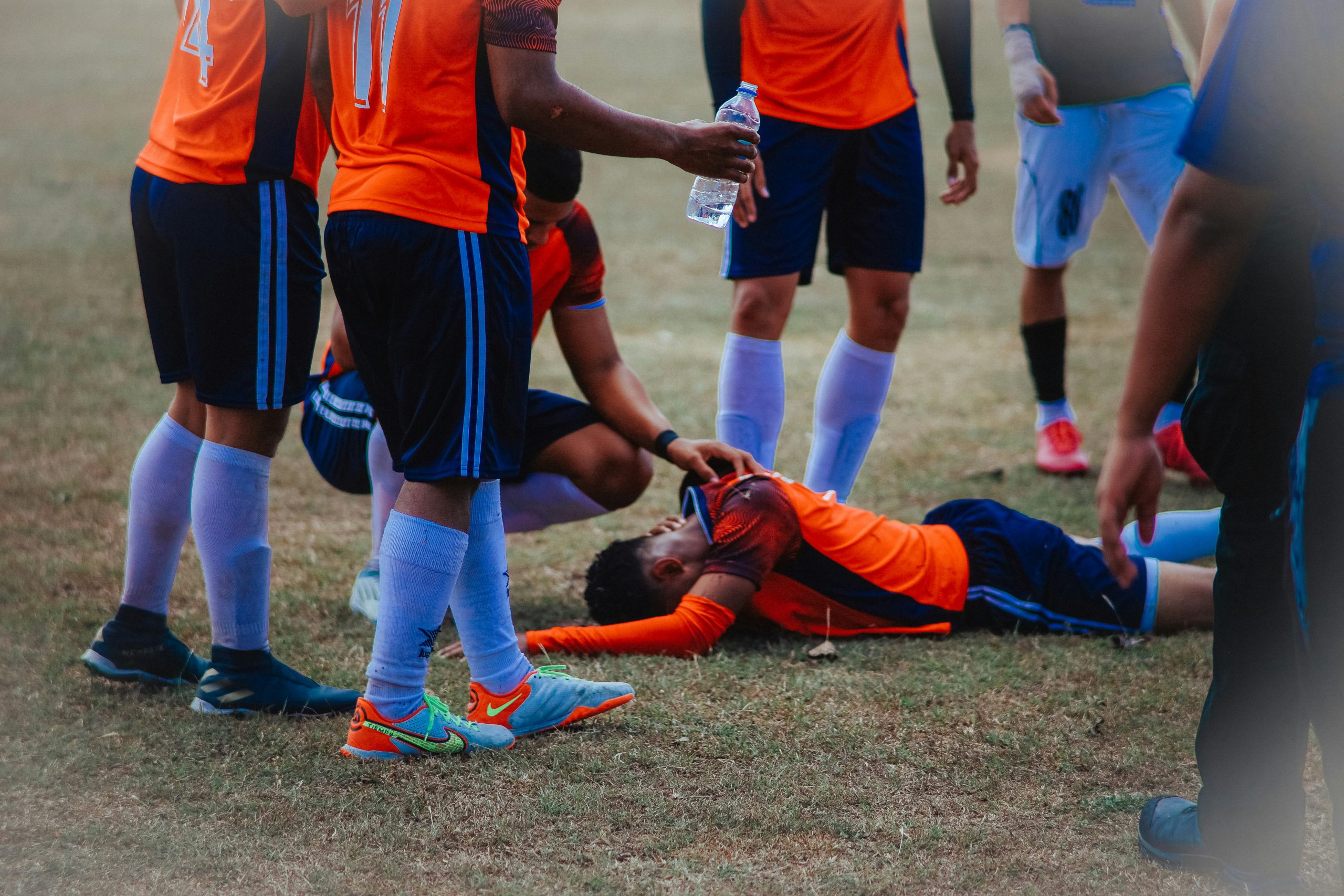


Student-athletes are carrying a heavy load. I see it every day in my office, teens dealing with academic pressure, performance expectations, injuries, family and friend stress, packed schedules, and the nonstop comparison that comes with social media. They are exhausted mentally, emotionally and physically. While sports can absolutely build confidence and resilience, they can also increase anxiety, burnout, depression, and identity struggles—especially when athletes start believing their value is tied only to how they perform. Research shows that nearly 30% of student-athletes report experiencing a mental health condition, yet only 10% receive support. I’m very concerned about that 10%.
Coaches Are Often the First to Notice
As a coach, you are often one of the first people to notice when something seems off. Maybe an athlete who usually brings energy suddenly seems withdrawn. Maybe they are harder on themselves, shutting down after mistakes, or becoming more aggressive and angry. Most coaches truly want to help, but many feel stuck wondering what to say or what they can do.
You Don’t Have to Be a Mental Health Expert
The good news? You do not have to be a mental health expert to make a difference!
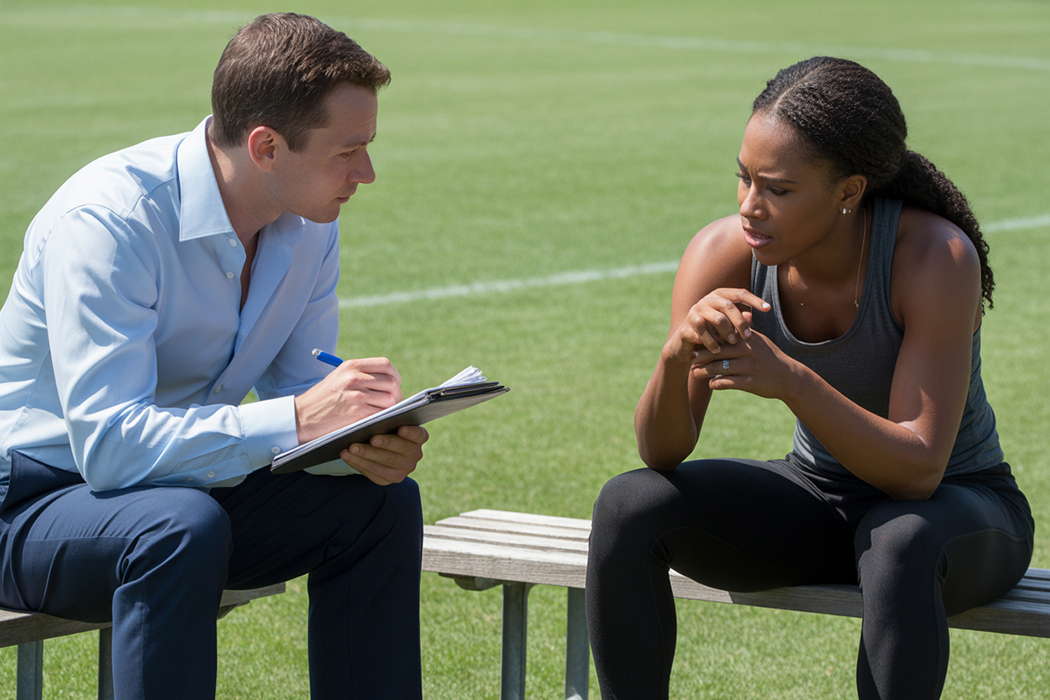
A lot of what athletes need is actually pretty simple: a coach who notices them, listens, and creates an environment where they feel safe.
Why Athletes Stay Quiet About Mental Health
The reality is, sports culture has taught many athletes to “push through” everything..and not just physically. They do not want to look weak, lose playing time, or disappoint coaches and teammates, so they stay quiet and suffer silently.
That is why the culture you create matters so much.
Create a Culture That Supports Athlete Mental Health
Sometimes the smallest things make the biggest impact—checking in after practice, recognizing effort instead of just results, a fist bump after a mistake or a smile in the hallway.
Those moments build a culture that says your worth isn’t based solely on performance.
Support the Whole Athlete
You can also encourage (and model) habits that protect both performance and mental health: sleep, nutrition, recovery, balance, connection, and time away from the pressure of sports. Mental wellness should take a holistic approach, not just focusing on one aspect of a person. And lastly, they need margin in their schedules to be a kid and have some fun!
Know When to Bring in Additional Support
Remember—you are not meant do this alone. Supporting athletes works best when coaches, parents, teachers, school counselors, athletic trainers, and mental health professionals work as a team. If you are concerned about an athlete, a great place to start is your school counseling department or an athletic trainer if you don’t work in the schools. Just don’t ignore the signs.
Coaching Is About More Than Wins and Losses
At the end of the day, coaching has to be about more than the wins and losses. You invest hours and hours of your time to make a difference in your athlete’s lives. Make that time count. Help them be better people. Take care of yourself. Take care of each other.
Cheering you on.
Megan Cannon, M.Ed, LPC-A
Megan is the owner of Carolina Counseling for Athletes, a mental health and performance based clinic for athletes. A former coach and school counselor, Megan is passionate about educating athletes, coaches and parents on mental wellness within the athletic space. In addition to the individual support they provide athletes, Carolina Counseling for Athletes offers in-person or virtual workshops for South Carolina teams, athletic departments or parent organizations. Learn more at: https://carolinacounselingforathletes.com