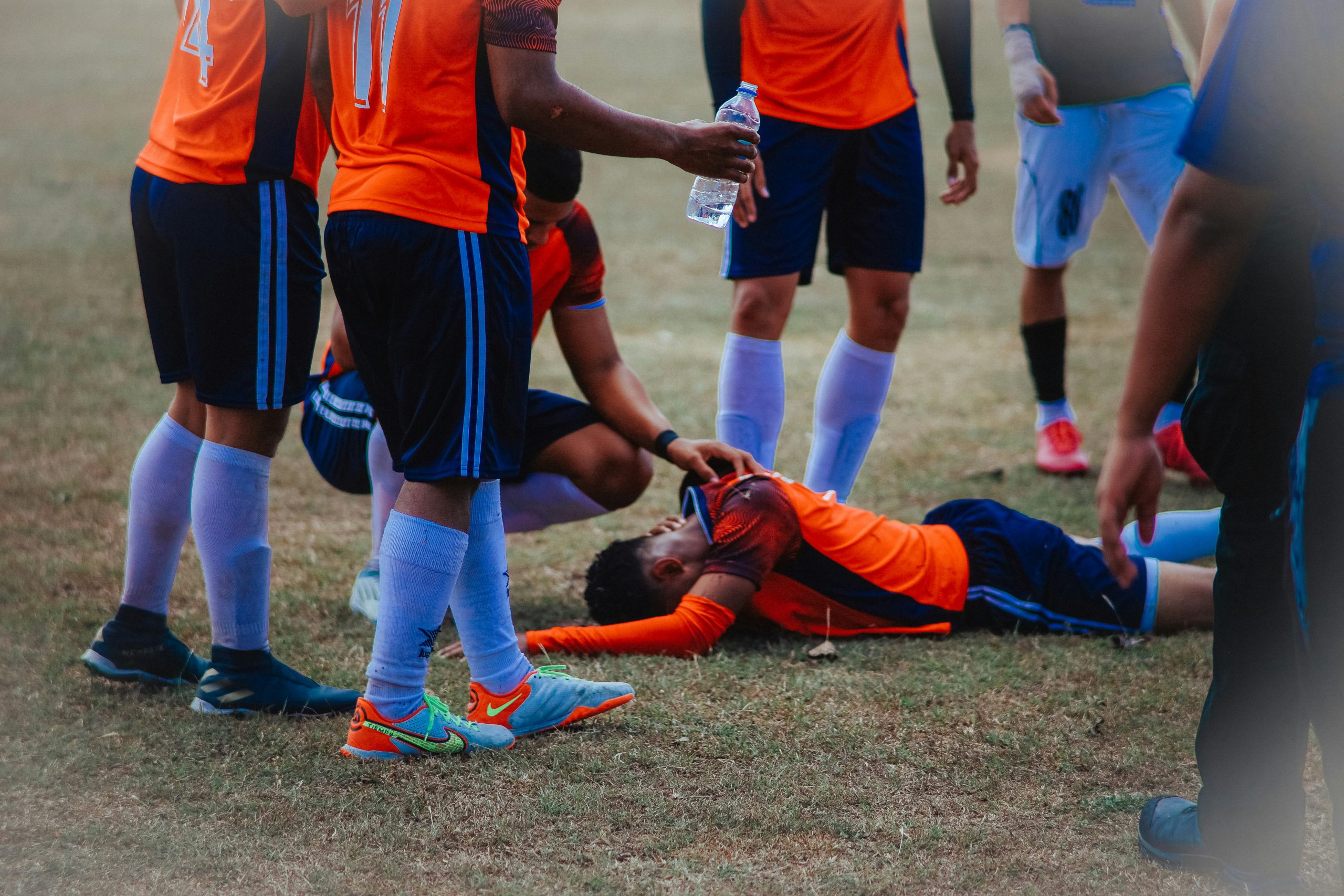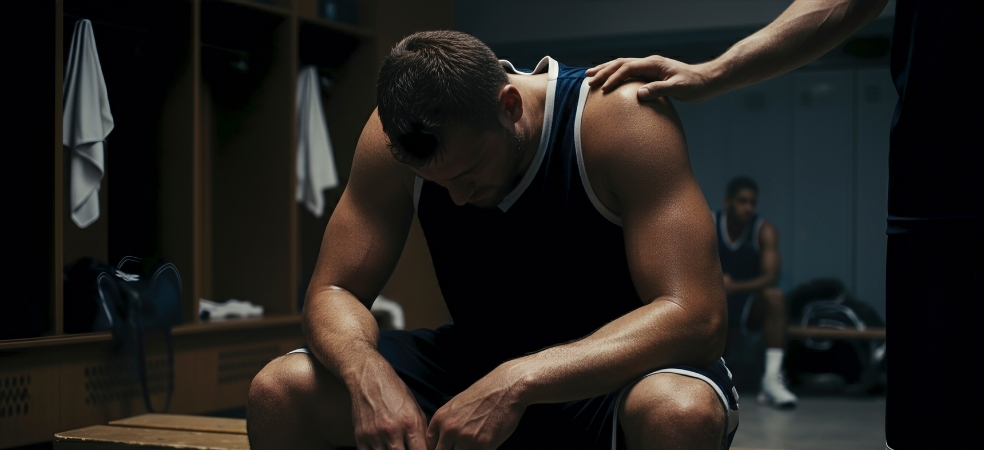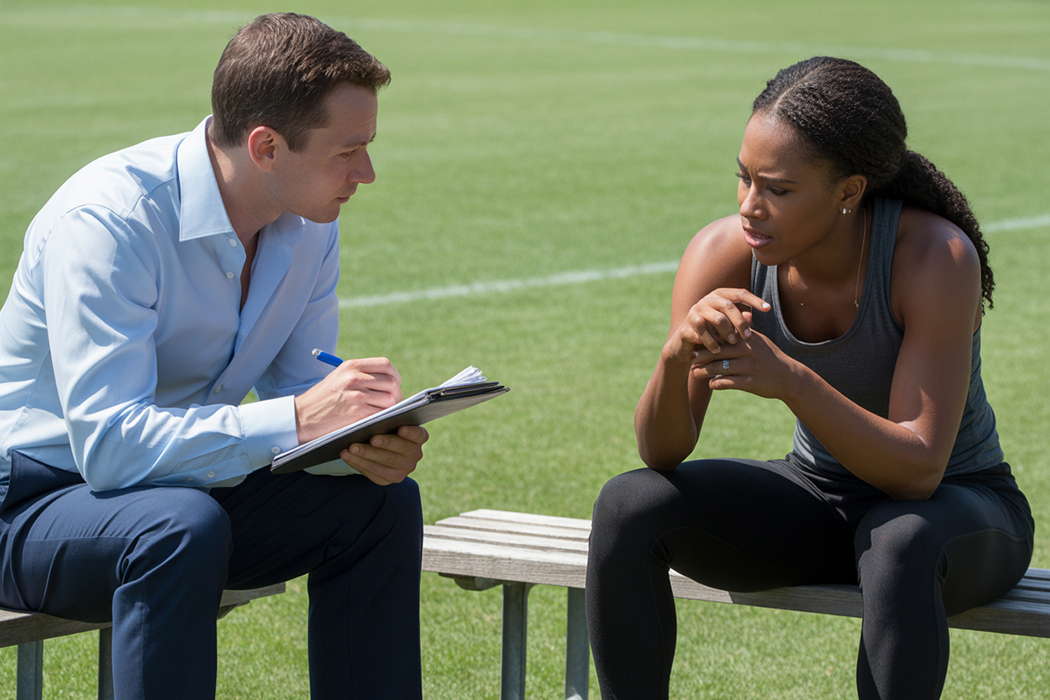


Creating connection, trust, and emotional safety for youth athletes
Spring sports bring fresh energy.
New teammates.
New goals.
A clean slate.
There’s something hopeful about the start of a season — like anything is possible. Everyone is 0-0 and that championship title is up for the taking.
Most teams focus on conditioning, drills, and strategy this time of year. Don’t get me wrong, those things matter. But the strongest, most resilient teams aren’t built on that alone.
They’re built internally first.
From the inside out. Because connection builds teams.
If we want confident, mentally strong athletes and healthy team culture, we have to develop more than physical skills. We have to intentionally build trust, communication, and emotional safety in sports.
That’s what carries teams through the hard times when the pressure, slumps, injuries, and adversity put the whole season at risk.
Why Team Connection Matters for Athlete Performance
Athletes perform best when they feel:
- Seen
- Heard
- Understood
- Valued
When those needs are met (from teammates and coaches), the nervous system relaxes — which means your body can relax. Confidence rises. Communication improves. Athletes can better enter their flow state and take healthy risks, recovering faster from mistakes. The goal isn’t perfection. It’s resiliency.
But when athletes feel disconnected, their brains shift into protection mode. That’s when we see:
- Overthinking
- Fear of messing up
- Teammate conflict
- Withdrawal
- Burnout
In other words: you can’t out-train a disconnected team.
Before trust shows up in competition, it has to show up in relationships. Too often, we skip this step.
Building Team Culture
Building a strong team doesn’t require complicated exercises or expensive outings.
It starts with something simple: curiosity. Intentional conversations help people feel valued for more than their performance. And let’s be honest — most people enjoy talking about themselves.
Here are four simple types of questions that help build team connection and emotional trust. Consider trying them at your next pre-season function and following up again mid-season.
1. Feeling Questions
These help athletes identify and express emotions — a key skill for mental health and resilience. While they might feel awkward at first, don’t let that stop you. Discomfort is okay.
- When was the last time you felt proud of yourself?
- When did you feel most supported this week?
- When do you feel most connected to the team?
2. Interest Questions
These remind athletes they’re more than their sport. There is so much room for creativity with these questions, so go wild.
- What are you really interested in right now outside of our sport?
- What’s something you’ve learned about yourself this year?
- What did you love doing as a kid?
3. Future Questions
These create hope, purpose, and motivation. While it is important to stay grounded in the present, looking forward helps us dream a bit.
- What are you working toward this season?
- What do you want more of this year?
- Where do you see yourself in five years?
4. Play Questions
Fun is often the fastest path to connection. Sports don’t have to be that serious.
- When did you laugh hardest recently?
- If you had a free day, how would you spend it?
- What’s something new you want to try?
Practical Ways Coaches and Athletes Can Build Connection
You don’t have to overhaul your program or change your entire coaching approach. Start small and stay consistent.
Begin practice with one connection question.
Open each practice with a simple, non-performance question that helps athletes feel seen as people first. Something like, “What’s one small win today?” or “What are you looking forward to this week?” takes only a minute but sets a tone of belonging and trust before the work begins.
Pair athletes for short check-ins.
Create intentional time for teammates to talk in pairs using quick prompts about their day, challenges, or goals. They’re going to chat anyway, so why not make it intentional? Rotating partners helps athletes connect beyond their usual circles, strengthens communication, and builds trust that carries over into competition.
Celebrate effort, growth, and character — not just stats.
Praise what athletes can control: hustle, resilience, leadership, and how they treat others. Recognizing effort and character reduces fear of mistakes and builds lasting confidence, creating a culture focused on growth rather than pressure.
Model vulnerability and encouragement.
Set the tone by modeling honesty, humility, and positive language. When coaches admit mistakes, share openly, and offer consistent encouragement, athletes feel safer doing the same — and trust within the team grows naturally.
Building Teams That Last
At the end of the day, athletes won’t remember every drill or score.
But they will remember:
- Who believed in them
- Who listened
- Who made them feel like they mattered
That’s what builds not just better players — but healthier, more confident humans.
So as this spring season begins, don’t just train harder.
Build connection.
Because the strongest teams aren’t just skilled.
They’re safe.
They’re trusted.
They’re connected.
And that kind of team is built from the inside out.